Few phrases land in an exam room quite like “bone on bone.” Patients often hear it while studying an X-ray where the gap between the thighbone and shinbone has vanished, and many leave convinced that knee replacement is the only road left. That conclusion skips over a wide range of options that keep people with severe arthritis active for years.
Bone on bone knee pain is the everyday name for advanced osteoarthritis, a condition in which the cartilage cushioning the knee has worn so thin that the bones make direct contact. What helps most is rarely a single fix; more often, it’s a plan matched to how your knee behaves, how active you want to be, and how well earlier treatments have worked.
What Bone on Bone Means for Your Joint
Before comparing treatments, it helps to know what has changed inside the knee. That knowledge explains why some therapies bring real relief even though worn cartilage cannot grow back.
How Cartilage Loss Changes the Knee
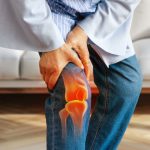
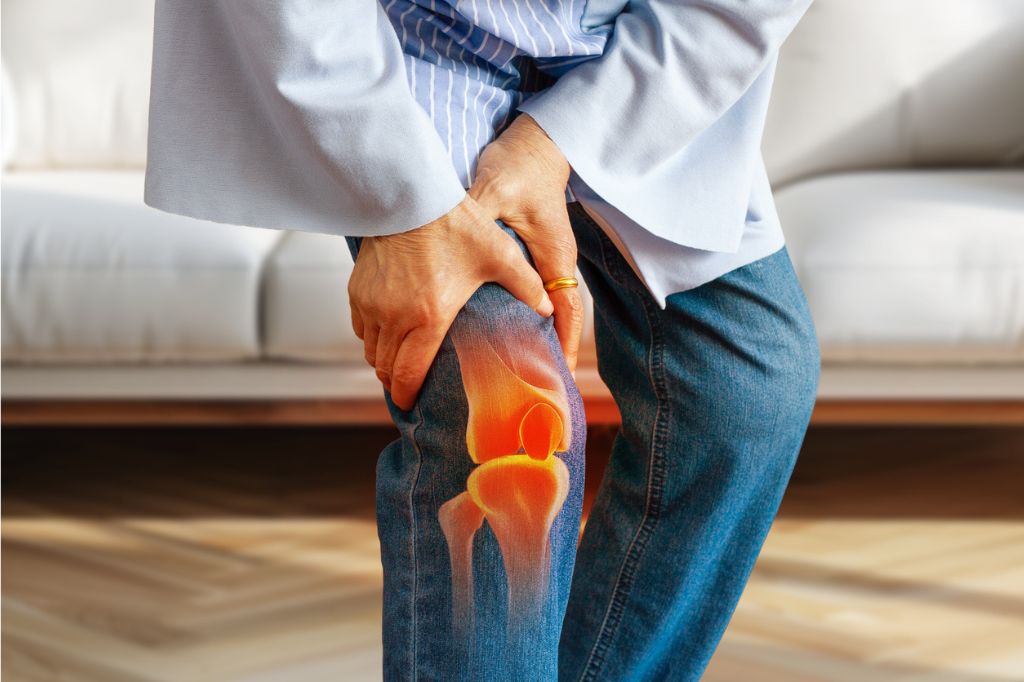
A healthy knee is lined with articular cartilage, a smooth tissue that lets the joint surfaces glide with almost no friction. In osteoarthritis, that cartilage frays and thins until the protective space between the bones disappears, which can leave bone rubbing on bone and produce osteophytes, small bony growths along the edges of the joint. Because the exposed bone is rich in nerve endings, each step can send pain signals that cartilage once absorbed. Many people notice the early signs of arthritis years before an X-ray shows complete joint space loss.
Why Your X-ray Doesn’t Tell the Whole Story
Imaging shows structure, while pain reflects how the whole knee functions. Two people with identical X-rays can live very different lives, one hiking on weekends while the other struggles across a parking lot. Muscle strength, body weight, and inflammation in the joint lining all shape how much a worn knee hurts. This gap between pictures and symptoms is why specialists treat the person rather than the film, and why grinding or clicking in the knee deserves more attention when it comes with pain.
Nonsurgical Treatments That Ease Bone on Bone Knee Pain
Specialists usually start with conservative care, even for advanced arthritis. These approaches cannot rebuild cartilage, but they reduce the forces and inflammation that make a worn joint hurt.
Exercise and Physical Therapy
Stronger quadriceps and hamstrings absorb shock that missing cartilage no longer can, which makes strengthening one of the most dependable ways to calm an arthritic knee. Exercise therapy for knee osteoarthritis reduces pain and improves physical function, and those gains can hold up after a formal program ends. A physical therapy team can also sharpen balance and walking mechanics, which lowers your risk of falls.
Weight Management
Every pound you carry is multiplied as it travels through the knee. Losing a single pound removes about four pounds of knee load with each step, which adds up to thousands of pounds over a daily walk. Even a modest 10-pound loss can noticeably change how stairs feel on a worn knee.
Bracing, Medication, and Injections
An unloader brace shifts weight away from the most damaged side of the knee, which helps most when arthritis affects one side. Oral or topical NSAIDs, medications that reduce inflammation, can ease flare-ups when your doctor approves them. Cortisone injections often provide short-term relief, but repeated use calls for caution. Patients who received steroid injections every three months for two years showed greater cartilage volume loss than those given saline, with no added pain benefit. That is why specialists usually save these shots for flares.
Advanced Options When Conservative Care Falls Short
Some knees keep hurting despite months of consistent therapy, weight loss, and medication. When pain starts running your schedule, two advanced paths deserve a closer look.
Genicular Nerve Radiofrequency Ablation
Radiofrequency ablation uses heat to quiet the genicular nerves, small nerves that carry pain signals from the knee. Doctors perform it through needles under imaging guidance, with no incision. Six months after genicular nerve radiofrequency ablation, 49% to 74% of patients reached at least 50% pain relief, making success about four and a half times more likely than with a steroid shot. For people who want to delay surgery, that difference can buy years of more comfortable walking.
Partial and Total Knee Replacement
When bone on bone knee pain no longer responds to other care, joint replacement offers the most reliable long-term relief. A partial replacement resurfaces only the damaged section of the knee, while a total knee replacement replaces the worn surfaces of the entire joint with metal and plastic components. Roughly four out of five patients are satisfied with their total knee replacement, and unmet expectations rank among the strongest predictors of dissatisfaction. An honest talk about realistic goals before surgery matters as much as the operation itself.
When to See a Specialist for Bone on Bone Knee Pain
Because knee arthritis progresses slowly, it is easy to keep postponing an evaluation. A specialist can confirm the diagnosis and build a plan around your knee and your goals.
Warning Signs Worth Acting On
These changes suggest your knee needs attention soon:
- Pain that wakes you at night or lingers while you are resting
- Swelling that returns after activity or lasts longer than a day or two
- A knee that buckles, locks, or feels unstable when you walk
- New trouble with stairs or walking a few blocks
- Relief from medication or injections that fades faster than it used to
Each of these patterns means the joint is changing, and earlier care keeps more options on the table.
Preparing for Your Visit
A little preparation makes your first visit far more productive.
- Note when your pain started, what worsens it, and what brings relief.
- List every treatment you have tried, including medications, injections, and therapy, and how long each helped.
- Bring any recent X-rays or MRI reports so your specialist can compare changes over time.
- Decide which activities matter most to you, whether that means gardening, golf, or walking your dog.
Located in Fort Lauderdale, Orthopedic Specialty Institute serves patients throughout South Florida, including Broward County, Palm Beach County, and Miami-Dade County. Our knee specialists treat arthritis at every stage and will help you find the approach that keeps you moving. Request an appointment online today.