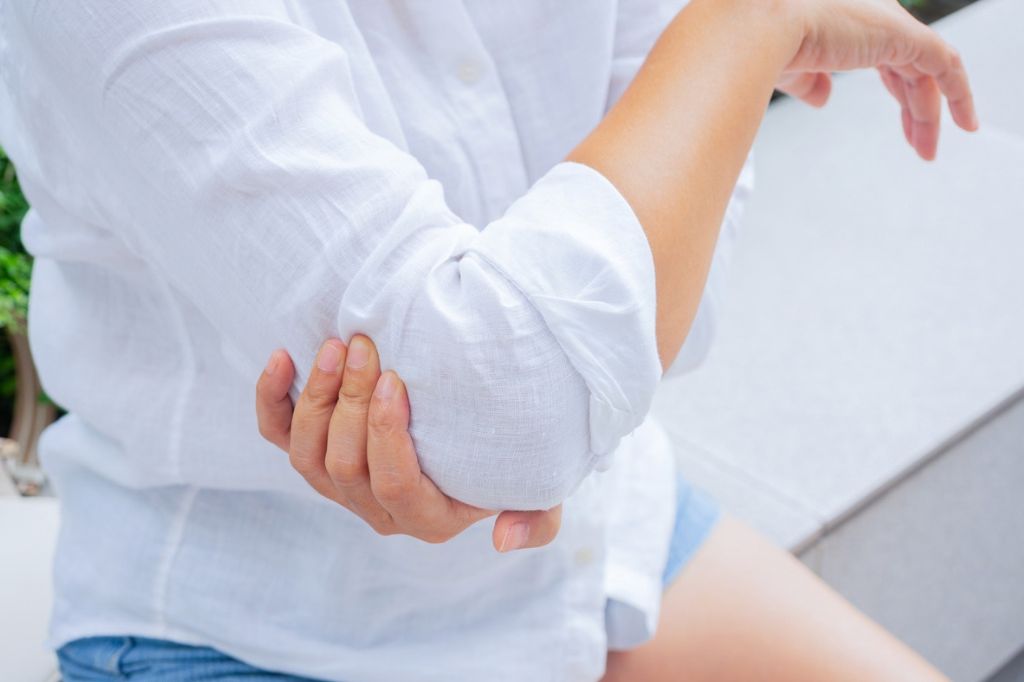
Reaching for a doorknob shouldn’t feel like gambling with pain, but for a lot of people at Orthopedic Specialty Institute, that’s exactly what a simple twist has become. Elbow pain when gripping is one of the more common complaints orthopedic specialists hear, and it rarely comes from one bad moment. Instead, it usually builds slowly, starting as a dull ache after yard work or a long day at a keyboard, then turning sharp enough to make holding a coffee cup or shaking someone’s hand genuinely difficult.
What makes this kind of pain confusing is that the elbow itself often isn’t where the real damage lives. Many of the muscles that close your hand into a fist or steady your wrist while you grip actually start higher up, anchored by tendons near the elbow joint. When those tendons get irritated or overworked, the pain shows up where they attach, even though your hand and forearm did the heavy lifting.
Understanding what’s driving elbow pain when gripping matters because the right fix depends entirely on the cause. Some cases clear up with rest and a few weeks of smart adjustments. Others point to nerve compression or joint wear that need a more targeted plan. Here’s what’s usually behind it, and how to tell which situation you’re dealing with.
What’s Happening When Your Elbow Hurts to Grip?
Before getting into specific conditions, it helps to understand the mechanics behind the pain itself. Your elbow anchors muscles that do most of their work in your hand and wrist, which is why trouble there often shows up as pain everywhere except where you’d expect.
The Tendons That Take the Hit
Several forearm muscles that extend your wrist and close your grip attach to bony bumps on either side of the elbow called epicondyles. These tendons handle repeated pulling and stretching every time you grip something, and over months or years of overuse, the tendon fibers, tough cords of tissue made mostly of collagen, can develop tiny tears. This gradual breakdown is often called tendinopathy, a general term for tendon damage caused by wear rather than a single injury.
Why Gripping Motions Put So Much Strain on the Elbow
A firm grip depends on tendons pulling with real force against resistance, whether you’re carrying a suitcase, turning a wrench, or lifting a cast-iron pan. Activities involving loaded gripping and wrist extension place some of the highest repetitive stress on any tendon in the body. That combination of load and motion is significant enough that it’s considered the primary driver behind the most common elbow overuse injury doctors see.
Tennis Elbow: The Most Common Cause of Grip Pain
Tennis elbow gets much of the attention when people search for what causes elbow pain when gripping, and for good reason. It’s by far the most frequent diagnosis doctors make in patients with this exact complaint.
How Lateral Epicondylitis Develops
Tennis elbow, known clinically as lateral epicondylitis, happens when the tendon connecting your forearm muscles to the outer part of your elbow breaks down from repetitive stress. Despite the name, the condition affects 1 to 3 percent of adults every year, and tennis players make up only about one in ten of those cases. Painters, plumbers, cooks, and anyone who spends hours gripping tools or equipment face similar risk.
Signs You’re Dealing With Tennis Elbow
The condition usually announces itself gradually rather than all at once. Common warning signs include:
- A burning or aching pain centered on the outside of the elbow that worsens with activity
- Noticeably weaker grip strength, sometimes making it hard to hold a cup or turn a key
- Pain that flares specifically when shaking hands, lifting with the palm facing down, or using hand tools
- Discomfort that’s mild during rest but sharp during the actual gripping motion
Many patients describe a distinct trigger: lifting something as ordinary as a coffee cup suddenly produces a jolt of pain, a pattern doctors sometimes nickname the coffee cup sign because it shows up so consistently.
Other Conditions Behind Elbow Pain When Gripping
Tennis elbow isn’t the only explanation, though. Two other conditions frequently show up in patients whose main complaint is grip-related elbow pain, and telling them apart matters for getting the right treatment.
Golfer’s Elbow: Pain on the Inner Side
Golfer’s elbow, medically known as medial epicondylitis, mirrors tennis elbow but affects the tendons on the inside of the elbow instead. It develops the same way, through overuse and repetitive strain, though the pain concentrates near the inner elbow bump and can radiate down toward the wrist. Despite the name, most people who develop it have never picked up a golf club. Carpenters, plumbers, and weightlifters make up a large share of the cases orthopedic specialists see.
Nerve Compression and Aging Joints
Sometimes the culprit isn’t a tendon at all. Cubital tunnel syndrome occurs when the ulnar nerve, which runs behind the inner elbow and helps control grip strength, becomes compressed or irritated. This can cause weak grip along with numbness or tingling in the ring and pinky fingers, especially after bending the elbow for long stretches, such as during a long phone call or a nap. In older adults, elbow osteoarthritis can also play a role, since worn cartilage lets bones grind against each other and robs the joint of the strength and range of motion a solid grip requires.
Easing and Preventing Elbow Pain When Gripping
Regardless of the cause, a few strategies can calm things down early and keep the problem from becoming a long-term issue.
What Helps Right Now
Resting from the specific activity that triggers pain gives irritated tendons a real chance to settle before damage progresses further. Icing the area for fifteen to twenty minutes after activity helps reduce swelling, and over-the-counter anti-inflammatory medication can ease discomfort during flare-ups. A counterforce brace worn just below the elbow can also redistribute stress away from the injured tendon during everyday tasks.
Building Long-Term Grip Resilience
Once the acute pain calms down, a few consistent habits lower the odds that it comes back.
- Stretch your wrist and forearm before activities that involve repetitive gripping or lifting.
- Strengthen forearm muscles gradually with light resistance exercises rather than jumping straight into heavy use.
- Switch grip techniques or tools periodically so the same tendons aren’t carrying the entire load.
- Take short breaks during repetitive tasks like typing, gardening, or using hand tools for extended periods.
- Pay attention to early soreness instead of pushing through it, since mild strain is far easier to resolve than a full tendon injury.
When to See a Specialist
Most elbow pain when gripping improves with rest and these adjustments, but certain patterns mean it’s time for a professional evaluation rather than more waiting.
Warning Signs That Need Attention
Pain that persists beyond two to three weeks despite rest deserves a closer look, and so does any numbness or tingling that spreads into your fingers. Sudden weakness that makes it hard to hold objects, swelling that doesn’t improve, or pain that wakes you up at night are all reasons to see a doctor rather than managing it on your own.
What to Expect During an Evaluation
An orthopedic specialist will typically start with a physical exam, testing your grip strength and checking which specific movements reproduce the pain. Imaging such as an ultrasound or MRI is sometimes ordered when symptoms have lingered or when a doctor suspects nerve involvement rather than a straightforward tendon problem. From there, treatment can range from a structured stretching program to more targeted interventions, depending on what’s actually driving your symptoms.
Elbow pain when gripping rarely means giving up the activities you enjoy. Most cases respond well once the right cause is identified and addressed early, and a proper diagnosis is the fastest way to get there.
Located in Fort Lauderdale, Orthopedic Specialty Institute serves patients throughout South Florida, including Broward, Palm Beach, and Miami-Dade counties. Our specialists have extensive experience diagnosing and treating elbow conditions at every stage. Request an appointment online today.